
A shopper opens ChatGPT and types “loose 1 carat lab-grown diamond, VS clarity, under 1500 dollars.” The AI needs to answer in seconds. It will recommend the stores whose data it can actually read, and skip the ones whose product pages are a wall of marketing copy with no clear specs.
For jewelry and gemstone sellers, this is the whole game now. Your beautiful product photography does not help an AI that cannot find the carat weight. Your data does.
Here is how to turn your gemstone catalog into something AI shopping surfaces can read, trust, and recommend.
Why jewelry is uniquely exposed here
Most product categories have a handful of attributes. Jewelry and gemstones have many, and buyers care about all of them.
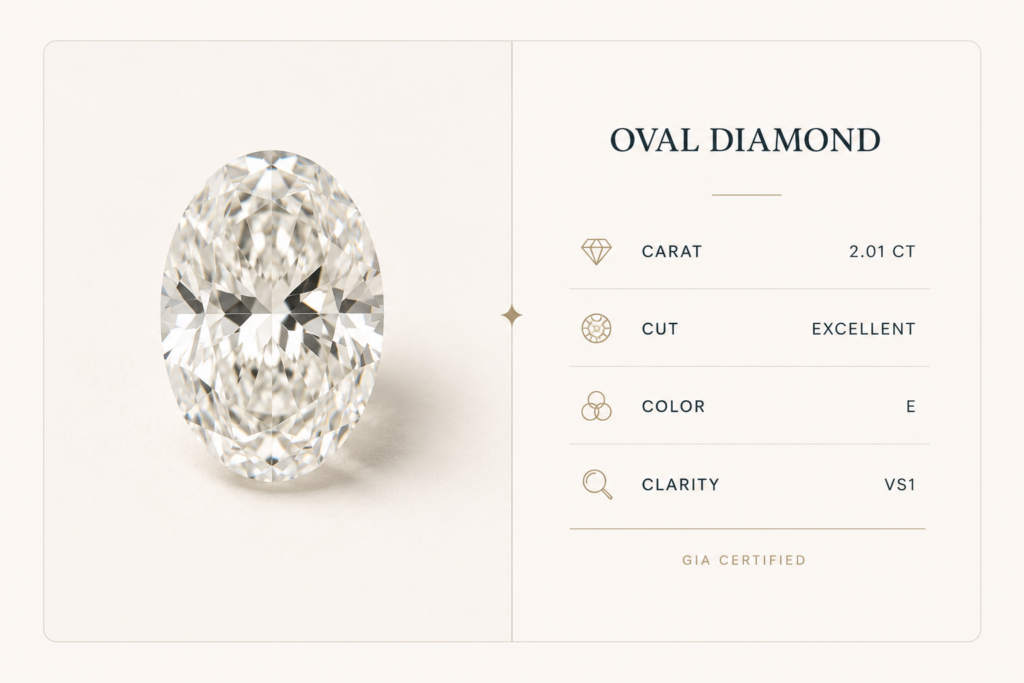
A diamond is not just “a diamond.” It is a specific carat weight, cut, color grade, clarity grade, certificate, and origin. A shopper asking an AI will name several of these in one breath. If your listing only says “stunning brilliant diamond ring,” the AI has nothing to match against and moves on.
The brands that win are the ones who treat every spec as data, not decoration. That is more work for jewelry sellers than for most. It is also a bigger advantage, because so many competitors still hide their specs in prose.
Turn the 4 Cs into real attributes
Start with the basics every diamond buyer knows: carat, cut, color, and clarity.
These cannot live only in your description paragraph. Each one should be its own labeled attribute on the product, with a consistent value. Carat as a number. Cut, color, and clarity using the standard grading scales buyers and AIs recognize.
Why it matters: when a shopper asks for “VS1 clarity or better,” an AI can only filter to you if clarity is a clean, comparable field. Buried in a sentence, it is invisible to that filter.
Do the same for colored stones with their own meaningful attributes, like stone type, treatment status, and origin where relevant.
Add the trust data: certificates and origin
Jewelry buyers verify before they spend real money, and so do the AIs recommending to them.
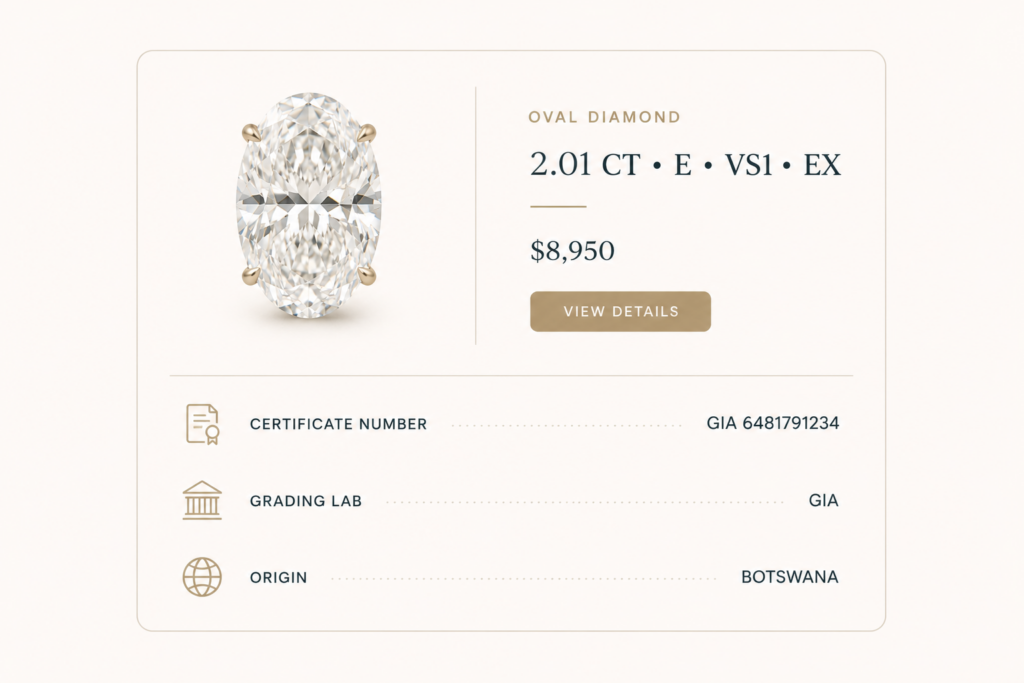
If a stone is certified, make the certificate and its lab a visible, structured fact. Note whether a diamond is natural or lab-grown, since that is one of the most common things shoppers now ask AIs to distinguish. For colored gemstones, treatment disclosure and origin are trust signals that set you apart.
This data does double duty. It helps the AI recommend you, and it reassures the human who checks the brand right after the AI names it. In 2026, that verification step is near universal, so the brand with clear, consistent trust data wins the second look.
Use product schema so machines understand it
Filling in attributes in your store admin is step one. Step two is making sure that data is marked up so machines read it correctly.
Use proper product structured data on your pages, with the right fields for price, availability, and your jewelry-specific attributes. This is the labeling that tells an AI “this number is the carat weight, this is the price, this is in stock.” Without it, the agent is guessing, and agents that guess skip you for a cleaner listing.
Keep price and availability accurate and current. An AI that quotes a sold-out stone or a wrong price creates a refund, a complaint, and a dent in the trust that got you recommended in the first place.
Write descriptions that answer real questions
Structured data gets you found. Good answers get you chosen.
Alongside your specs, write short, direct answers to the questions jewelry buyers actually ask. “Is a lab-grown diamond a real diamond.” “What clarity grade is worth paying for.” “How do I choose a setting for a sensitive skin type.” When your page answers the exact question a shopper poses to the AI, you become the natural source to cite.
Keep these answers near the top and to the point. The AI is scanning for the cleanest answer to lift into its response.
A first step that pays off fast
You do not have to overhaul the whole catalog this week.
Pick your best-selling category, maybe engagement rings or loose diamonds, and make every stone in it fully structured. Real attributes for every spec, visible certificate data, accurate price and stock, and proper schema. Then check how those products show up when you ask an AI a buyer-style question.
Once you see the difference, roll the same treatment out category by category.
The takeaway
For jewelry sellers, AI shopping rewards clean data over pretty prose. Turn the 4 Cs and every other spec into real, labeled attributes, make certificates and origin visible, mark it all up with proper schema, and answer the exact questions buyers ask.
Start with your top category and get its data spotless. In a market where most competitors still bury their specs in marketing copy, clean data is how you get recommended.
Building a configurator? Here is my Shopify engagement ring builder development.
Want it done for you? See my jewelry store development service.

Comments are reviewed before they appear, so yours will not show up straight away. Your email is never published.